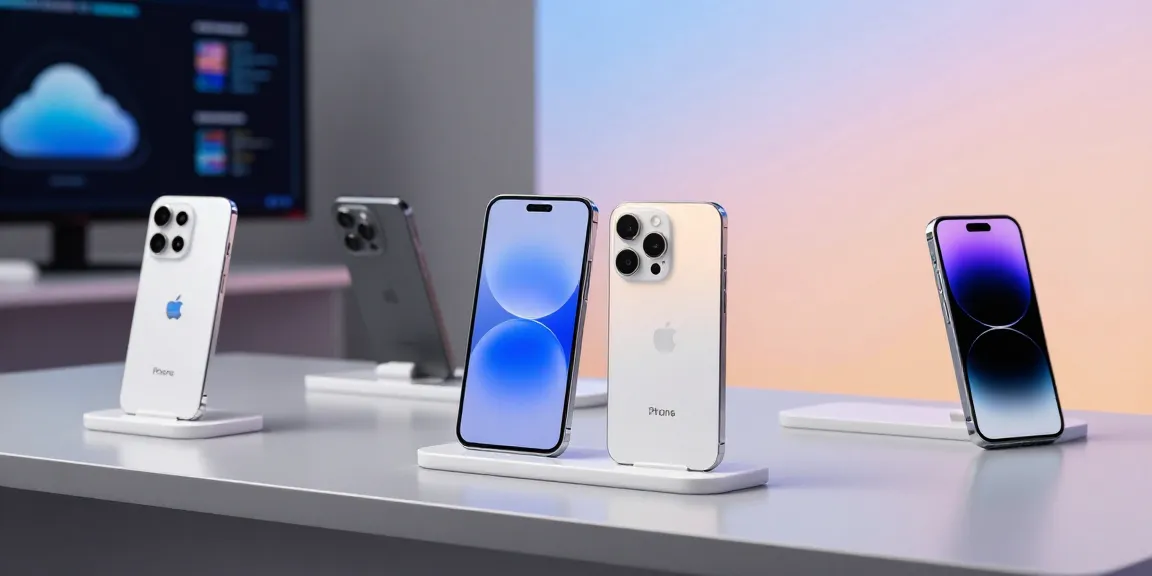
Understanding the Importance of Handy mit Vertrag in the Mobile Market
The mobile market is rapidly evolving, and one of the most significant developments is the prevalence of Handy mit Vertrag options. This approach allows consumers to access high-performance smartphones while spreading the cost over an extended period. The combination of hardware and service not only makes devices more affordable but also enhances the overall consumer experience, offering features and functionalities that standalone devices may lack.
Overview of Mobile Contracts and Their Benefits
Mobile contracts offer users a clear advantage in terms of affordability and accessibility. By choosing a contract, consumers can obtain the latest smartphones without upfront costs, paying for the device in monthly installments. This model typically includes bundled services such as data, minutes, and text messages, which can be tailored to meet individual needs. Furthermore, mobile contracts often come with added benefits, such as insurance or device upgrades, providing peace of mind and flexibility to users.
How Handy mit Vertrag Enhances Consumer Experience
The integration of mobile contracts has significantly improved the consumer experience in several ways. Firstly, they offer a variety of options tailored to different user needs. Consumers can select plans based on their usage patterns, whether they require extensive data for streaming, unlimited calls, or family sharing options.
Additionally, many providers offer real-time monitoring tools which allow users to track their data consumption and manage their plans effectively. This level of control can help prevent unexpected charges and ensure that users are getting the best value for their money.
Trends in Mobile Device Offerings for 2026
As we move towards 2026, we can expect several trends to emerge within the mobile device landscape. The demand for 5G-enabled devices will continue to rise, enabling faster data speeds and more responsive applications. Additionally, enhancements in AI and machine learning will drive innovations in smartphone features, such as improved camera capabilities and personalized user interfaces. Furthermore, foldable and dual-screen devices are gaining popularity, offering users versatile mobile options.
Integration of Cloud Technology with Handy mit Vertrag
The synergy between cloud technology and mobile contracts is becoming increasingly vital. As users demand seamless integration across devices, cloud solutions provide the infrastructure needed to support mobile applications and services effectively.
Scalable Solutions for Mobile Applications
Cloud technology offers scalable solutions for mobile app development, allowing developers to build applications that can quickly adapt to changing user demands. Microservices architecture enables the deployment of independent modules, facilitating easier updates and maintenance.
Furthermore, serverless computing can streamline backend processes, reducing operational overhead and speeding up time-to-market for mobile applications. This means that upcoming offerings, tied to Handy mit Vertrag, can incorporate advanced features without compromising performance.
Impact of Cloud Services on Consumer Electronics
Cloud services have revolutionized how consumer electronics operate by enabling remote access to applications and data. Through integration with mobile contracts, users enjoy continuous updates and access to the latest features without needing to upgrade their devices frequently.
Moreover, cloud-based storage solutions allow users to store vast amounts of data while minimizing the device's storage requirements. This frees up local memory and enables faster access to apps and services.
Innovative Mobile Features Supported by Cloud Infrastructure
Innovations in mobile features, such as real-time collaboration tools and augmented reality applications, heavily rely on robust cloud infrastructure. These features enhance user engagement and provide immersive experiences, setting new standards for mobile interactions.
Such developments facilitate social interactivity, allowing users to share experiences in real-time through integrated apps designed to leverage cloud capabilities.
AI and Machine Learning in Mobile Contracts
The integration of AI and machine learning technologies within mobile contracts is transforming how providers tailor their offerings to consumers. By analyzing user behavior and preferences, service providers can create customized plans that enhance customer satisfaction.
Personalized User Experience Through AI Algorithms
AI algorithms analyze vast amounts of data to predict user needs and preferences. By understanding consumption patterns, these algorithms can recommend the most suitable mobile contract options based on individual user habits.
This personalization fosters a more engaging customer experience, encouraging loyalty and long-term subscriptions.
How Machine Learning Optimizes Contract Offerings
Machine learning models can also optimize the dynamic pricing of mobile contracts. Providers can adjust prices based on demand, ensuring competitiveness in the market. Furthermore, predictive analytics can anticipate churn, enabling providers to proactively implement retention strategies.
As machine learning capabilities continue to evolve, service providers will be better positioned to deliver innovative contract structures that align closely with user preferences and market demands.
Future of Smart Contracts in Mobile Technology
The future of smart contracts in mobile technology appears promising, with developments in blockchain making it feasible to automate agreements securely. This automation can enhance trust and efficiency in contract execution, minimizing disputes and ensuring compliance with terms.
Cybersecurity Implications of Handy mit Vertrag
With the increasing reliance on mobile contracts, cybersecurity remains a paramount concern. Service providers must prioritize the protection of consumer data to maintain trust and comply with regulatory standards.
Common Threats in Mobile Contracts
Common threats faced by mobile contract users include phishing attacks, malware, and data breaches. These threats can lead to unauthorized access to sensitive information, potentially harming both users and service providers alike.
Moreover, as mobile payments become more prevalent, the risk of financial fraud is on the rise. Providers must implement measures to safeguard user transactions and sensitive data stored on their devices.
Best Practices for Protecting Consumer Data
To mitigate cybersecurity risks, providers should adopt best practices such as end-to-end encryption and regular security audits. Educating consumers about safe browsing habits and the importance of strong passwords is equally vital in reducing vulnerabilities.
Additionally, implementing two-factor authentication can serve as an effective barrier against unauthorized access to user accounts.
Cybersecurity Frameworks for Mobile Applications
Establishing a robust cybersecurity framework is essential for safeguarding mobile applications linked to contracts. Frameworks like the NIST Cybersecurity Framework provide guidelines for identifying, protecting, detecting, responding to, and recovering from cybersecurity incidents.
Performance and Scalability of Handy mit Vertrag Solutions
Performance and scalability play vital roles in the delivery of mobile contracts. With user expectations growing, it’s imperative that service providers optimize these aspects carefully.
Key Performance Indicators for Mobile Contracts
Key Performance Indicators (KPIs) for assessing the success of mobile contract offerings include customer retention rates, average revenue per user, and network performance metrics. Tracking these metrics provides valuable insights into service quality and helps identify areas for improvement.
Scalability Challenges in the Current Market
The current mobile market faces scalability challenges such as infrastructure limitations and variable demand. To overcome these challenges, providers can leverage cloud technologies that enable elastic scaling based on user load. This approach ensures that resources are available when needed while minimizing costs during low-usage periods.
Role of DevOps in Optimizing Mobile Solutions
DevOps practices are instrumental in optimizing mobile solutions, enabling faster development cycles and fostering collaboration between development and operations teams. Continuous integration and delivery (CI/CD) pipelines help streamline updates, ensuring that new features and improvements reach users promptly.
By adopting DevOps principles, providers can maximize their operational efficiency, ultimately enhancing the user experience and accommodating fluctuating demands in the mobile contract landscape.