The Essence of Community Events in Bochum
Bochum, a city known for its rich industrial history, has transformed into a vibrant cultural hub over the years. Community events play a crucial role in this transformation, offering residents and visitors a unique blend of entertainment, education, and connection. Understanding what makes Bochum a desirable location for cultural gatherings can enhance the experience for all involved, paving the way for a more engaged community. When exploring options, newsbochum provides comprehensive insights into the events that shape this dynamic city.
What Makes Bochum Unique for Cultural Gatherings?
Bochum's unique identity stems from its historical background, being a vital part of the Ruhr area's industrial legacy. This industrial past adds a layer of authenticity to community events, where venues such as the Jahrhunderthalle and旧工場地区 (Old Factory District) exude a charm that cannot be replicated elsewhere. Furthermore, the diverse demographics of Bochum contribute to a rich cultural tapestry. This diversity allows for a variety of events, catering to different tastes and preferences—from music festivals to art exhibitions and food fairs.
Understanding Audience Needs and Preferences
Successful community events in Bochum begin with a deep understanding of the audience's needs and preferences. Surveys and community feedback can provide insights into what residents desire. Engaging with local social media groups and forums can also unveil hidden interests that might not be immediately apparent. Recognizing these needs helps organizers tailor events to ensure maximum participation and satisfaction.
Identifying Key Activities That Engage Locals
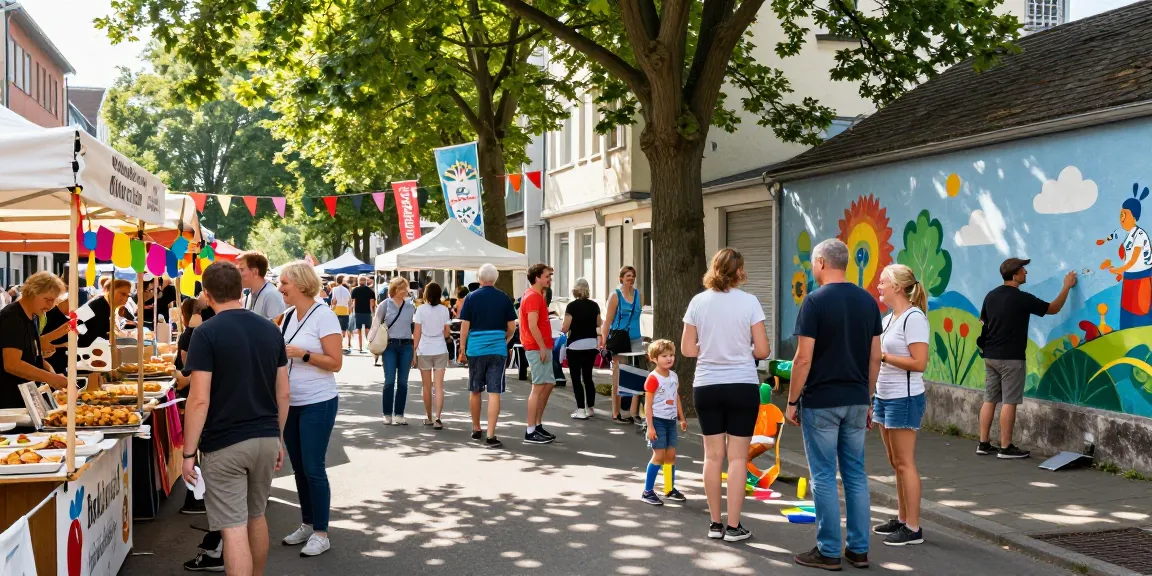
To attract locals, it's essential to curate activities that resonate with their interests. Activities such as open-air concerts, seasonal markets, and cultural fairs not only entertain but also foster a sense of community. Workshops that highlight local crafts or cuisine can provide hands-on experiences that deepen connections among attendees. Ultimately, the goal is to create events that encourage participation and engagement while promoting local culture.
Strategies for Effective Event Planning
Best Practices for Logistics and Coordination
Logistical planning is the backbone of any successful community event. Effective coordination involves assembling a reliable team, determining the necessary permits, and managing resources efficiently. Establishing clear timelines and checklists can help streamline the process, ensuring that no detail is overlooked. Moreover, leveraging existing community resources, such as local volunteers and sponsorship from local businesses, can significantly reduce costs and enhance the event experience.
Creating Memorable Experiences for Attendees
The hallmark of a successful community event is the memorable experience it offers. Strategies to achieve this include immersive environments, interactive installations, and opportunities for attendees to contribute to the event. By incorporating elements like live performances or collaborative art projects, organizers can create an ambiance that resonates with attendees long after the event concludes. Furthermore, incorporating feedback mechanisms will help organizers refine future events, continuously improving the overall experience.
Utilizing Social Media for Promotion
In today’s digital age, effective promotion through social media is essential. Platforms like Facebook, Instagram, and Twitter allow for targeted advertising campaigns that can reach specific demographics. Content should emphasize visual storytelling, showcasing what attendees can expect—whether that’s a sneak peek of local artists or highlights from previous events. Engaging with the community through these channels also fosters a sense of belonging, encouraging more individuals to participate in future gatherings.
Case Studies of Successful Bochum Events
Highlighting Past Festivals and Their Impact
Bochum has a rich history of successful community events that serve as excellent case studies. The Bochum Total Festival, for example, draws thousands each year, showcasing local talent and providing an avenue for businesses to showcase their offerings. Such festivals not only contribute to the local economy but also reinforce the community's cultural identity.
Lessons Learned from Community Feedback
Feedback is invaluable when evaluating the success of community events. Post-event surveys and open forums provide critical insights into what worked and what didn’t. For instance, feedback may reveal that while entertainment was well-received, food options were lacking. Utilizing this information allows organizers to improve future iterations of the event, honing in on aspects that truly resonate with the community.
Innovative Approaches to Engagement
Innovation is key to keeping community events fresh and exciting. Bochum has seen unique approaches, such as themed events that celebrate local history or multicultural showcases that highlight the city’s diversity. Utilizing technology for interactive experiences, like Augmented Reality (AR) installations, can attract a younger audience while providing educational content about Bochum’s heritage.
Challenges in Organizing Community Events
Common Obstacles and Misconceptions
Despite the positive impacts of community events, organizers often face challenges. Misconceptions around funding can deter potential planners from initiating events, leading to a reluctance to pursue necessary sponsorship or grants. Moreover, logistical hurdles such as securing venues and permits can be daunting, making it essential for organizers to familiarize themselves with local regulations and resources.
How to Overcome Funding and Resource Limitations
Financial constraints can pose significant challenges for event organizers. To address this, a multifaceted approach is essential. This could involve exploring governmental grants, establishing partnerships with local businesses for sponsorship, or even crowdfunding initiatives. Additionally, community support through volunteer engagement can alleviate some financial burdens, allowing events to thrive without excessive reliance on external funding.
Building Partnerships with Local Businesses
Forging partnerships with local businesses not only helps secure funding but can also enhance the event experience. Businesses can offer logistical support, in-kind donations, or promotions that encourage attendees to explore local services. Collaborative events, such as joint promotions with local breweries or restaurants, can create win-win situations where everyone benefits from increased visibility and foot traffic.
Future Trends in Community Engagement for 2026
Emerging Themes in Cultural Festivals
As we move into 2026, several emerging themes are likely to shape community engagement in Bochum. Sustainability will continue to take center stage, with more events adopting eco-friendly practices. Festival organizers are increasingly incorporating green alternatives, from waste reduction strategies to energy-efficient operations, appealing to environmentally conscious attendees.
Predictions for Community Participation
Looking ahead, active participation is expected to evolve with the rise of hybrid events. These events combine physical and digital experiences, allowing those who cannot attend in person to engage from afar. This model not only broadens the audience but also fosters a sense of community across geographical boundaries, ensuring that Bochum remains a focal point for cultural activities.
Leveraging Technology for Enhanced Experiences
The integration of technology will redefine how community events are experienced. Virtual reality (VR) setups can immerse attendees in Bochum’s history, while mobile apps can facilitate real-time feedback and interaction during the event. This technological shift will cater to the tech-savvy younger generation while preserving the warmth of community interactions.
What Are the Benefits of Hosting Events?
Host community events provide numerous benefits, ranging from economic stimulation to cultural enrichment. Local businesses thrive on increased foot traffic while residents enjoy enhanced community cohesion and engagement. These events promote cultural exchange, create opportunities for local artists, and foster a sense of belonging that is essential for any vibrant community.
How to Involve Local Artists and Organizations?
Engaging local artists and organizations is vital for authenticity in community events. By providing platforms for local talent, event organizers can highlight the city’s artistic diversity. This can be achieved through open calls for artists to exhibit or perform, collaborations with local schools for youth engagement, and integrating local organizations into the planning process to ensure the event reflects community values.
What Are the Environmental Considerations for Events?
As community events grow in scale, environmental considerations are becoming increasingly relevant. Organizers must prioritize sustainability by minimizing waste, using recyclable materials, and promoting public transportation. Implementing these practices not only aligns with global environmental goals but also attracts a demographic that values sustainability, making it an essential aspect of modern event planning.