Understanding Electric and Hybrid Vehicles
As the world steadily shifts toward sustainable transport solutions, understanding the nuances of electric and hybrid vehicles becomes crucial for consumers. These innovations promise substantial benefits, including environmental sustainability and cost savings. Therefore, gaining insights into the mechanics and features of these vehicles can significantly influence potential buyers' decisions. For comprehensive insights into electric and hybrid vehicles, situs 7meter serves as an informative resource for prospective car owners in Indonesia.
What is an Electric Vehicle?
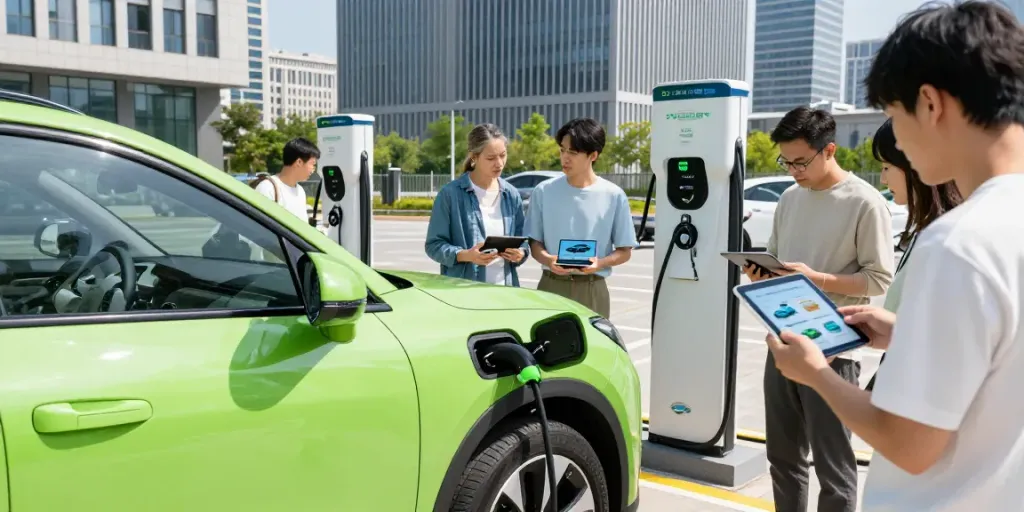
An electric vehicle (EV) operates entirely on electric power, utilizing one or more electric motors for propulsion. EVs rely on rechargeable battery packs that provide the necessary energy to drive the vehicle. Unlike traditional combustion engine vehicles, which use petrol or diesel, electric vehicles do not produce exhaust emissions, making them a cleaner alternative in terms of environmental impact. Most electric vehicles can be charged at home or at public charging stations, contributing further to their appeal as sustainable transport options.
Features of Hybrid Vehicles
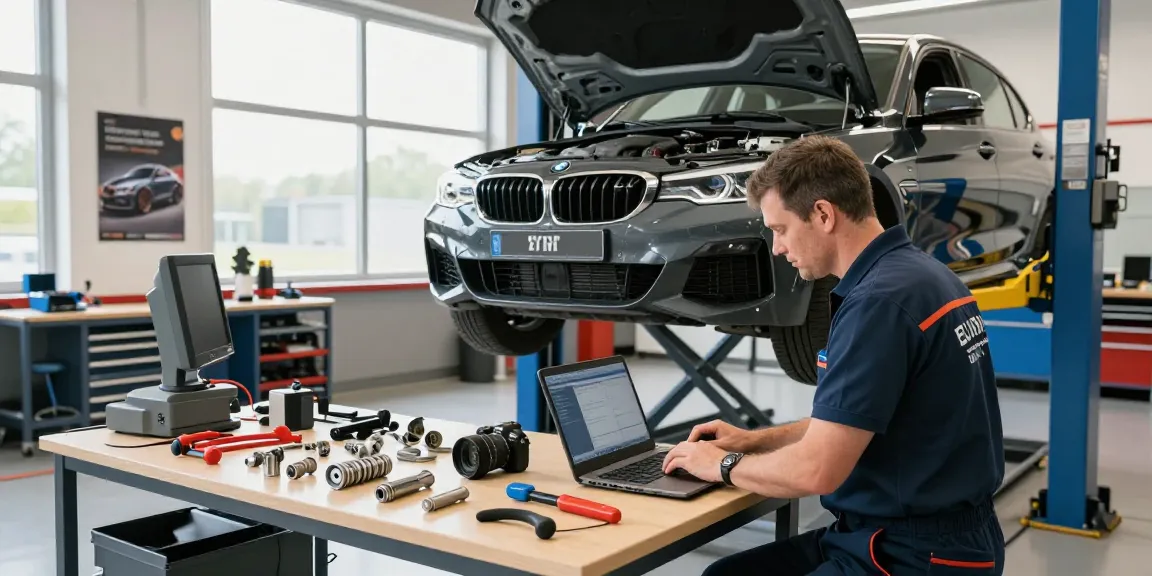
Hybrid vehicles utilize a combination of an internal combustion engine and an electric motor. This setup allows hybrids to switch between power sources, optimizing fuel efficiency and reducing emissions. Key features often include regenerative braking, which captures energy lost during braking and converts it back to electric power, and advanced battery management systems to ensure the longevity and efficiency of the battery pack. Many hybrids also feature start-stop technology, enabling the engine to shut off while idling to save fuel.
Key Differences Between Electric and Hybrid Cars
- Power Source: Electric vehicles rely solely on electric power from batteries, while hybrids combine a conventional engine with electric propulsion.
- Charging: EVs require charging at home or at dedicated stations, whereas hybrids can refuel at traditional gas stations.
- Range: Electric vehicles generally have a limited range compared to hybrids, which can extend their range significantly by switching to gasoline.
- Emissions: EVs produce zero tailpipe emissions, while hybrids emit fewer emissions than traditional internal combustion engines but are still not entirely emissions-free.
Benefits of Choosing Electric and Hybrid Cars
Electing to drive an electric or hybrid vehicle holds numerous advantages, from environmental benefits to economic savings. These vehicles are not just an alternative but a step toward a more sustainable future, making them appealing to conscious consumers and environmentally aware individuals.
Environmental Impact and Sustainability
The environmental benefits of electric and hybrid vehicles are significant. By reducing reliance on fossil fuels and minimizing harmful emissions, these vehicles contribute to cleaner air and a reduction in greenhouse gas emissions. Electric vehicles, in particular, boast zero emissions during operation, while hybrid vehicles operate more efficiently than their gasoline-only counterparts.
Cost Savings and Incentives
Drivers of electric and hybrid vehicles often enjoy lower operating costs. Electric vehicles typically have lower maintenance requirements due to fewer moving parts, and they can be charged at a fraction of the cost of gasoline. Furthermore, many governments offer incentives such as tax rebates, reduced registration fees, and access to carpool lanes to encourage the purchase of these eco-friendly vehicles.
Technological Advancements in Electric Vehicles
The rapid advancements in EV technology have resulted in longer ranges, faster charging stations, and increased battery efficiency. New battery technologies, such as solid-state batteries, promise to enhance energy density and reduce charging times. Innovations like vehicle-to-grid technology also enable EVs to serve as energy storage solutions, feeding energy back into the grid and providing additional savings to owners.
Choosing the Right Vehicle for Your Needs
When considering whether to purchase an electric or hybrid vehicle, it's essential to assess your personal needs and driving habits. Each type of vehicle suits different lifestyles, and understanding the options available can help guide your decision.
Assessing Your Driving Habits
Evaluate your daily commuting distance. If your trips are primarily short and within the range of an electric vehicle, an EV might be your best choice. For longer journeys, hybrids can offer the flexibility of refueling with gasoline while still benefiting from electric power.
Understanding Charging Options and Infrastructure
The availability of charging stations is crucial for potential electric vehicle owners. Research local charging infrastructure to determine if the convenience of charging at home or accessing public charging stations aligns with your lifestyle. Urban areas often have more charging options, while rural locations may have limited access.
Evaluating Vehicle Specifications and Features
When choosing a vehicle, consider the specifications and features that matter most to you, such as the vehicle's range, battery capacity, fuel efficiency, and available technology. Various models provide unique features tailored to different needs, from compact cars to luxury SUVs, allowing consumers to select a vehicle that aligns with their preferences.
Common Misconceptions about Electric Vehicles
Despite their growing popularity, misconceptions about electric and hybrid vehicles persist, often deterring potential buyers. Addressing these myths can help clarify the reality of owning these vehicles.
Range Anxiety: Myths vs. Reality
Range anxiety refers to the fear of running out of battery before reaching a charging station. While early EV models exhibited limited range, technological advancements have significantly increased battery capacities. Modern electric vehicles often provide ranges sufficient for the average driver's daily needs, with many models exceeding 300 miles on a single charge. Additionally, the expanding network of fast-charging stations helps alleviate concerns regarding long-distance travel.
Maintenance and Reliability Concerns
Some potential buyers worry about the reliability and maintenance costs of electric vehicles. However, EVs typically have lower maintenance needs due to their simpler mechanical structure. With fewer moving parts than traditional vehicles, electric cars often experience less wear and tear, leading to reduced maintenance costs over time.
Performance Comparisons with Traditional Vehicles
Electric vehicles often outperform many traditional vehicles in terms of acceleration and handling. The instant torque provided by electric motors allows for quick starts, making many electric models not only efficient but also thrilling to drive. Moreover, with advancements in battery technology, EVs continue to enhance performance alongside efficiency.
Future Trends in Electric and Hybrid Vehicle Technology
The automotive industry is poised for significant transformation, particularly with the rapid evolution of electric vehicle technology. Staying informed about these trends can provide valuable insights into the future of transportation.
Emerging Technologies to Watch in 2026
In the coming years, advances in battery technology, including solid-state and lithium-sulfur batteries, promise to deliver even longer ranges and faster charging capabilities. Additionally, improvements in artificial intelligence and machine learning are expected to play a key role in enhancing vehicle performance and user experience, enabling smarter navigation and energy management systems.
The Growth of Smart Charging Solutions
Smart charging technologies that optimize charging times based on grid demand and energy prices will become more prevalent, allowing EV owners to save on energy costs. Vehicle-to-home technology will also enable electric vehicles to power homes during outages, providing additional resilience to EV owners.
Predictions for Market Adoption and Infrastructure
As more consumers recognize the advantages of electric and hybrid vehicles, market adoption is expected to increase significantly. Infrastructure developments, including expanding charging networks, will facilitate this transition, making electric and hybrid vehicles more accessible to a broader audience. Predictions indicate that by 2026, a substantial portion of new vehicle sales will be comprised of electrified options.
Frequently Asked Questions
What are the top benefits of electric vehicles?
The benefits of electric vehicles include lower operating costs, reduced maintenance needs, environmental sustainability, and the potential for government incentives. Moreover, advancements in technology lead to continuous improvements in range and charging capabilities.
How can I find charging stations?
Finding charging stations is becoming increasingly easy, with numerous apps and websites dedicated to locating nearby chargers, including fast-charging options. Many electric vehicle manufacturers also provide integrated navigation features that guide drivers to the nearest charging points.
Are hybrid cars more efficient than gas cars?
Yes, hybrid cars are typically more efficient than traditional gasoline vehicles due to their ability to utilize both electric and gasoline power. This dual-system optimizes fuel consumption, resulting in better mileage and lower emissions.
What are the costs associated with owning an electric car?
While initial costs for electric vehicles may be higher, ownership costs can be offset through lower fuel expenses, tax rebates, and reduced maintenance fees. Additionally, many electric vehicles have lower insurance premiums compared to conventional cars.
How has technology improved in electric vehicles?
Recent advancements in battery technology, charging infrastructure, and vehicle design have significantly improved electric vehicle performance. Innovations now allow for longer ranges, faster charging times, and enhanced features, making EVs more appealing than ever.