Understanding the Geek Keyboard Revolution
The world of mechanical keyboards has witnessed a remarkable transformation in recent years, especially with the rise of custom mechanical keyboards. Enthusiasts and casual users alike are increasingly drawn to the personal touch and superior performance that customized setups offer. Among these brands, Geek keyboard has established itself as a frontrunner, providing a diverse range of options for those looking to enhance their typing experience. This article will delve into the unique characteristics of Geek keyboards, the components involved in creating a custom setup, and the future trends shaping this dynamic industry.
What Makes Geek Keyboards Unique?
Geek keyboards stand out due to their emphasis on personalization and quality. Unlike standard keyboards that come with pre-defined layouts and limited features, custom keyboards allow users to select every component, from switches to keycaps. This level of customization ensures that each keyboard can be tailored to meet the specific needs and preferences of the user. For instance, the type of switch in a keyboard greatly affects the typing experience, with linear switches providing a smooth keystroke, while tactile switches offer a noticeable bump for feedback.
Types of Mechanical Keyboards Explained
When exploring the realm of mechanical keyboards, it is essential to understand the different types available:
- Linear Keyboards: Provide a smooth and uninterrupted keystroke, favored for their quiet operation and are ideal for gaming.
- Tactile Keyboards: Offer feedback with a slight bump, making them popular for typing as they signal that a key has been actuated.
- Clicky Keyboards: Emit a distinct sound with each keystroke, satisfying for some typists who enjoy auditory feedback.
Each type serves distinct user preferences, making it crucial to choose based on individual typing styles and needs.
Key Features that Enhance Performance
Several features enhance the functionality and performance of Geek keyboards, including:
- Custom Switch Options: Users can select from a variety of switches, such as Gateron and Cherry MX varieties, to match their typing feel.
- Hot-Swappable Switches: Allow users to change switches without soldering, enabling quick customization and experimentation.
- Programmable Keys: Many Geek keyboards come with software that allows for key reassignments and macros, enhancing productivity.
Building Your Custom Geek Keyboard
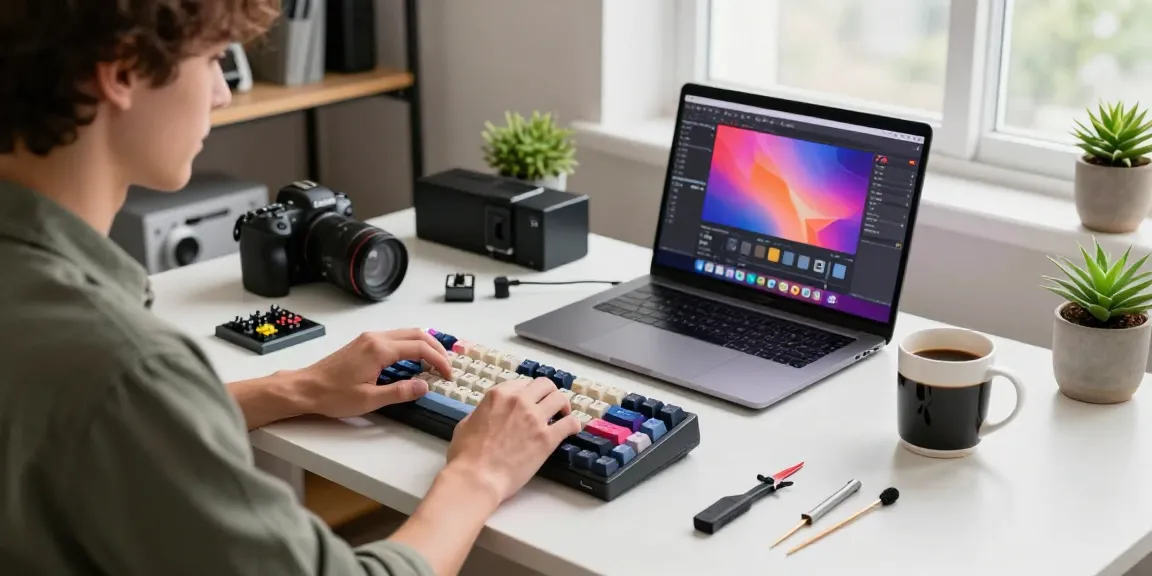
The process of building a custom mechanical keyboard can be a rewarding experience as it not only reflects personal style but also optimizes performance. With the right information, anyone can create their ideal setup.
Essential Components You Need
To begin your keyboard-building journey, you'll need the following components:
- Keyboard Case: The outer shell of the keyboard, available in various materials and colors.
- PCB (Printed Circuit Board): The heart of the keyboard that connects all the components and interprets key presses.
- Switches: As highlighted earlier, this is where the user can express preferences for feel and sound.
- Keycaps: Available in different profiles and materials, keycaps impact both aesthetics and typing experience.
- Stabilizers: Used for larger keys to prevent rattling and ensure a smooth press.
Step-by-Step Assembly Guide
Building your keyboard can be broken down into a few straightforward steps:
- Start by preparing the PCB and inserting stabilizers.
- Attach your chosen switches into the PCB securely.
- Place the PCB into the keyboard case, securing it properly.
- Add keycaps on top of the switches to finish.
- Connect your keyboard to a computer for testing and customization.
Tips for Choosing Keycaps and Switches
Selecting the right keycaps and switches can greatly affect your overall experience. Here are a few tips:
- Material Matters: PBT keycaps tend to be more durable and resistant to wear compared to ABS.
- Profile Preference: Different profiles (SA, DSA, etc.) can change the feel and look; choose one that feels right to you.
- Test Before You Commit: Consider trying out various switches at a local store or through meetups before making a purchase.
Maximizing Your Typing Experience
Once you've built your custom keyboard, it’s essential to optimize its ergonomics and aesthetics for a better overall experience.
Adjusting Keyboard Profiles for Comfort
Many modern keyboards come with adjustable settings that allow users to tweak their keyboard layout and key functions based on personal preferences. Ergonomic profiles can alleviate strain during long typing sessions and enhance overall comfort.
Enhancing Aesthetics with Custom Keycaps
The aesthetic appeal of a keyboard can be significantly enhanced by selecting unique keycap designs. Whether you prefer vibrant colors, themes that reflect personal interests, or minimalist styles, custom keycaps can elevate the overall look.
Maintenance Tips for Longevity
To keep your keyboard in optimal condition, consider the following maintenance practices:
- Regularly clean keycaps with mild soap and water.
- Remove dust and debris from between keys using compressed air.
- Store in a cool, dry place to prevent warping or damage to the components.
Exploring Gaming with Geek Keyboards
The gaming community has embraced custom mechanical keyboards for their unparalleled responsiveness and customization options. Choosing the right setup can greatly influence gaming performance.
Best Features for Gamers
Consider features that enhance gameplay, like:
- Low Latency: Essential for competitive gaming.
- Customizable RGB Lighting: Allows for personalized aesthetics and can indicate specific profiles or key functions in-game.
- Macro Keys: Grant quick access to frequently used commands.
Top Geek Keyboard Models for Gaming in 2026
As gaming technology evolves, so does the selection of keyboards. Models like the MCHOSE Ace 75 and the AULA F68 RX are paving the way, offering robust features designed specifically for gamers who demand the best performance.
User Reviews and Performance Insights
User feedback has been overwhelmingly positive toward Geek keyboards, especially when it comes to customizability and build quality. Many reports highlight the tactile satisfaction of different switches and how a personalized layout enhances gaming dynamics.
Future Trends in Mechanical Keyboards
The landscape of mechanical keyboards continues to evolve, with trends indicating exciting innovations on the horizon.
Innovative Technologies Shaping the Market
Emerging technologies such as wireless connectivity, AI-driven customization, and enhanced materials for durability are set to redefine user experiences. The integration of software solutions that adapt to user behavior for tailored profiles is becoming more prevalent.
Predictions for Keyboard Customization in 2026
As the demand for customization grows, it's predictable that more manufacturers will offer modular components that are easily exchangeable, pushing the boundaries of personalization further.
The Growing Community of Keyboard Enthusiasts
With the rise of social platforms dedicated to keyboard building, communities are flourishing. These forums provide enthusiasts with a space to share mods, seek advice, and showcase their custom builds, further advancing the craft.