




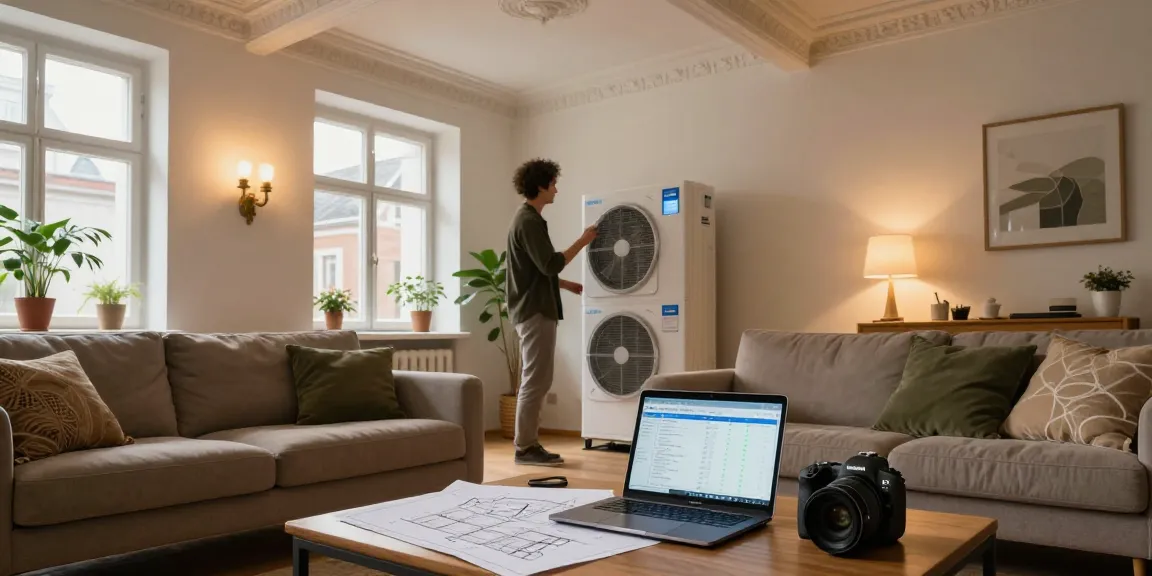
Understanding Wärmepumpe im Altbau: A Comprehensive Overview
Wärmepumpen, or heat pumps, have gained substantial attention as a sustainable heating solution for older buildings (Altbau). As homeowners seek ways to reduce energy costs and environmental impact, the integration of Wärmepumpen in historic structures presents both challenges and opportunities. This article dives deep into the practicality, benefits, and considerations of adopting a Wärmepumpe in Altbau settings, providing essential insights for homeowners contemplating this transition.
What is a Wärmepumpe?
A Wärmepumpe is a device that transfers heat from one location to another, using a refrigeration cycle to enhance energy efficiency. Unlike traditional heating systems, which generate heat, Wärmepumpen extract heat from external sources, such as air, ground, or water, and transfer it into the home. This technology is particularly valuable in areas with moderate climates, where the heat extracted can adequately warm a residence without the need for extensive supplemental heating.
Benefits of Installing a Wärmepumpe in Historic Buildings
- Energy Efficiency: Wärmepumpen can substantially reduce energy consumption due to their ability to use renewable energy sources for heating.
- Lower Operating Costs: Once installed, these systems often lead to reduced utility bills compared to conventional heating systems.
- Environmental Impact: By relying on sustainable energy sources, homeowners can significantly reduce their carbon footprint, aligning with global sustainability goals.
- Increased Property Value: Properties equipped with modern heating solutions like Wärmepumpen often see an increase in marketability, appealing to eco-conscious buyers.
Assessing the Suitability of Your Altbau for a Wärmepumpe
Deciding to install a wärmepumpe im altbau requires a thorough assessment of your property’s characteristics. Not all historic buildings are created equal, and several factors determine the feasibility of using a Wärmepumpe.
Evaluating Energy Efficiency and Insulation
The energy efficiency of an Altbau is often tied to its insulation quality. Many older buildings suffer from inadequate insulation, which can lead to significant heat loss. Before considering a Wärmepumpe, homeowners should conduct a thorough energy audit to identify areas of heat loss and potential upgrades to insulation. Improving the thermal envelope can enhance the performance of a Wärmepumpe and ensure that it operates effectively.
Common Misconceptions About Wärmepumpen in Altbau
There are prevalent myths regarding the suitability of Wärmepumpen for older buildings. A common misconception is that they cannot provide sufficient heat output for homes with high thermal demands. However, modern high-temperature Wärmepumpen can achieve the necessary output without the extensive modifications that were once thought mandatory. Additionally, many assume that the installation will be excessively disruptive; however, with proper planning and execution, the process can be streamlined.
Consulting with Heating Experts for Customized Solutions
Each Altbau presents unique challenges and opportunities for heating solutions. Consulting with heating specialists who understand the nuances of older structures can offer tailored solutions that maximize efficiency and comfort. These experts can evaluate your specific needs and help identify the most suitable type of Wärmepumpe based on your building’s characteristics and heating requirements.
Cost Analysis: Investing in Wärmepumpe im Altbau
Investing in a Wärmepumpe involves several financial considerations. Upfront costs can be significant, but potential long-term savings and available financial incentives can offset these initial expenses.
Initial Installation Costs and Financial Incentives
The installation costs for a Wärmepumpe in an Altbau can vary widely based on factors like the size of the building, the type of Wärmepumpe selected, and any necessary modifications to the existing heating system. Homeowners may also be eligible for government grants or subsidies aimed at promoting energy-efficient upgrades, which can alleviate some financial burden.
Long-Term Savings on Energy Bills
One of the most compelling reasons to install a Wärmepumpe is the potential for long-term savings. Heat pumps are known for their efficiency; they can deliver up to three times more heating energy than the electrical energy they consume. This efficiency translates into lower energy bills, making them a more sustainable choice over time compared to traditional fossil fuel heating systems.
Comparing Costs with Traditional Heating Systems
When comparing the overall costs of Wärmepumpen and traditional heating systems, homeowners should consider both installation and operational costs. While the initial investment in a Wärmepumpe might be higher, the ongoing savings can make it a more economical choice in the long run. Furthermore, fluctuating fossil fuel prices make Wärmepumpen, which rely on electricity (potentially from renewable sources), a more stable cost option.
Installation Process: What to Expect?
Understanding the installation process can help alleviate concerns for homeowners. Proper planning and knowledge of the steps involved can ensure a smooth transition to a Wärmepumpe-based heating system.
Step-by-Step Guide to Installing a Wärmepumpe
- Assessment: A professional assessment of the building’s current heating system and energy efficiency.
- Choosing the Right System: Selecting the appropriate type of Wärmepumpe based on specific needs and building characteristics.
- Preparing the Site: Modifications may be necessary to accommodate the new system, including upgrades to insulation.
- Installation: Professional installation of the Wärmepumpe, ensuring all components function correctly.
- Testing and Commissioning: Testing the system’s efficiency and making adjustments as needed before full operation begins.
Choosing the Right Type of Wärmepumpe for Altbau
There are various types of Wärmepumpen, including air-source, ground-source, and water-source models. The choice largely depends on the specific site conditions, available outdoor space, and the thermal demands of the building. Air-source Wärmepumpen are often preferred for their easier installation and lower costs, while ground-source options might deliver greater efficiencies in the long term.
Common Challenges During Installation and Solutions
When installing a Wärmepumpe in an Altbau, homeowners may face challenges such as limited space for outdoor units or the need for structural modifications. Engaging a qualified contractor familiar with the intricacies of older buildings can alleviate many of these challenges. Moreover, pre-installation planning can help identify potential issues before they arise, ensuring a smoother process.
Future Trends in Wärmepumpe Technology for Altbau
As technology evolves, the features and efficiencies of Wärmepumpen continue to improve, making them more viable for Altbau homeowners.
Advancements in Energy Efficiency for 2026
Expect ongoing advancements in Wärmepump technology, such as improved compressors, enhanced insulation materials, and smart home integration features that allow for optimized energy use. These innovations are likely to further increase the efficiency of Wärmepumpen, making them an even more attractive option for existing buildings.
Government Regulations and Support for Green Heating
With an increasing emphasis on sustainability, governments are likely to introduce more supportive regulations and incentives for energy-efficient heating solutions. Homeowners should stay informed about the latest policies regarding Wärmepumpen installations to take advantage of potential financial and tax benefits.
Predictions for the Wärmepumpen Market in Historic Buildings
The market for Wärmepumpen in historic buildings is expected to grow, driven by higher energy costs and increased public awareness of environmental impacts. As technology becomes more refined, the integration of Wärmepumpen in Altbau will likely become commonplace, offering more homeowners a reliable and efficient heating solution.
Is a Wärmepumpe worthwhile for Altbau homes?
Many homeowners are curious if the investment in a Wärmepumpe is indeed worthwhile for their Altbau. While individual circumstances can vary, the long-term savings and environmental benefits generally favor the adoption of this technology, especially when paired with necessary improvements in insulation and energy efficiency.
What kind of maintenance do Wärmepumpen require?
Routine maintenance is crucial for ensuring the efficiency and longevity of a Wärmepumpe. Homeowners should schedule annual inspections to check for refrigerant levels, clean filters, and assess system performance. Regular maintenance can prevent more significant issues down the line and ensure optimal operation.
How to choose the right installation partner for a Wärmepumpe?
Choosing the right installation partner is vital to the success of your Wärmepumpe project. Homeowners should seek contractors with relevant experience in installing systems in historic buildings. Checking qualifications, references, and reviews can provide insight into a contractor’s reliability and expertise.
Are there specific grants for installing a Wärmepumpe?
Numerous programs offer financial assistance for energy-efficient upgrades, including Wärmepumpen installations. Homeowners should research local, state, and federal grants or incentives that promote renewable energy solutions to help offset the costs significantly.
Can I retrofit my existing heating system with a Wärmepumpe?
In many cases, retrofitting an existing heating system with a Wärmepumpe is entirely feasible. Homeowners should consult heating experts to evaluate the compatibility of their current system and determine the most efficient way to integrate a Wärmepumpe.